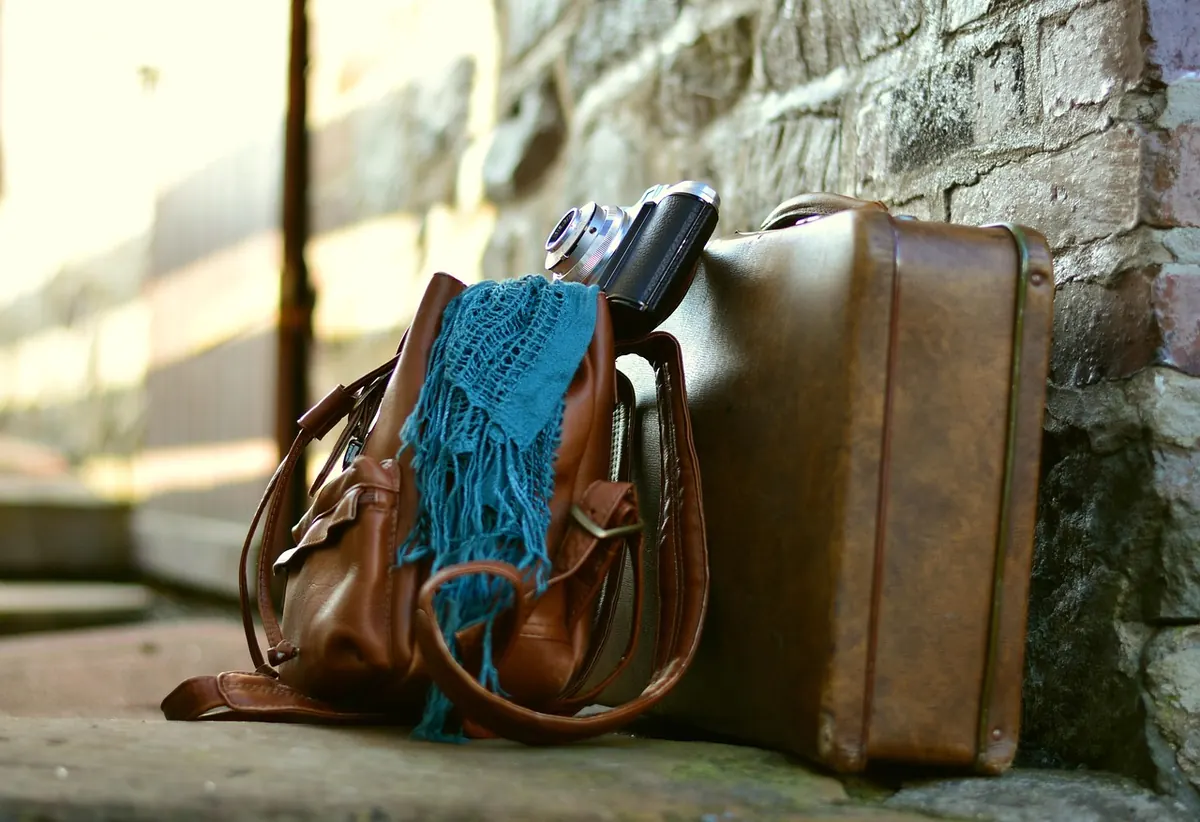
British weather keeps its own schedule. You leave the house under a clear sky, reach a moor or a coastal path, and twenty minutes later the light has turned dramatic and the rain is arriving sideways. That is often when the best photographs happen — but only if the gear in your bag can take it. What follows is the kit that genuinely earns its place on day trips and weekends in the British outdoors, from a dawn session at a local gravel pit to two days on a Scottish hillside.
Two things matter more than megapixels out here: how well the body copes with damp, and whether you can work it with cold hands. Weather-sealed bodies and sealed lenses are worth the extra weight, though “weather-sealed” is a claim rather than a guarantee. If you shoot with an older or budget camera, treat it as unprotected and plan around that.
A second body is more useful than a third lens. Changing lenses in a shower is how sensors get dirty and, eventually, damp inside. If a second camera is out of reach, learn your menus well enough to change ISO and aperture by feel — before you leave the house, with gloves on.
Most trips can be covered by two lenses and a light third.
Filters earn their place too. A polariser does more for a wet woodland scene than most editing ever will, and a 6-stop ND lets you stretch a waterfall or a wave into something soft. Step-up rings mean one filter set fits every lens you own. Keep lens hoods on — they protect the front element and cut flare from a low sun.
Three separate problems, and only one of them is solved by a rain cover.
Microfibre cloths are the cheapest insurance on this list. Carry three: one for the lens, one for the body, one spare. If you must change a lens outside, do it in the car, in a porch, or hunched inside a waterproof jacket with your back to the wind.
You will be standing still for long stretches, which is colder than walking, so dress for the waiting. Layers, not one thick jacket.
In the west of Scotland in summer, midges deserve a line of their own. Still, damp evenings between roughly June and August are the worst of it, and a head net plus long sleeves will keep you shooting when everyone else retreats. If you use a repellent, follow the label, and ask a pharmacist if you are unsure what suits you.
Two small habits: check for ticks after walking through bracken, heather or long grass, and speak to a pharmacist or GP if a bite concerns you. Take suncream and sunglasses as well — coastal glare in Britain burns more people than most expect.
Cold drains batteries faster than mild weather. Carry two or three spares and keep them in an inside pocket rather than the rucksack’s outer pouch. A power bank and a car charger cover the drive home.
For storage, several smaller cards beat one enormous one: if a card fails, you lose a morning rather than a fortnight. Never delete images in the field, and copy everything onto a laptop, SSD or tablet before you sleep. Travelling home with the only copy of a week’s work is an unnecessary risk.
Worth checking before you go: whether your home contents insurance covers camera gear away from home and left in a car. Policies vary, so ring your insurer and ask rather than assuming.
Photo: congerdesign / Pixabay
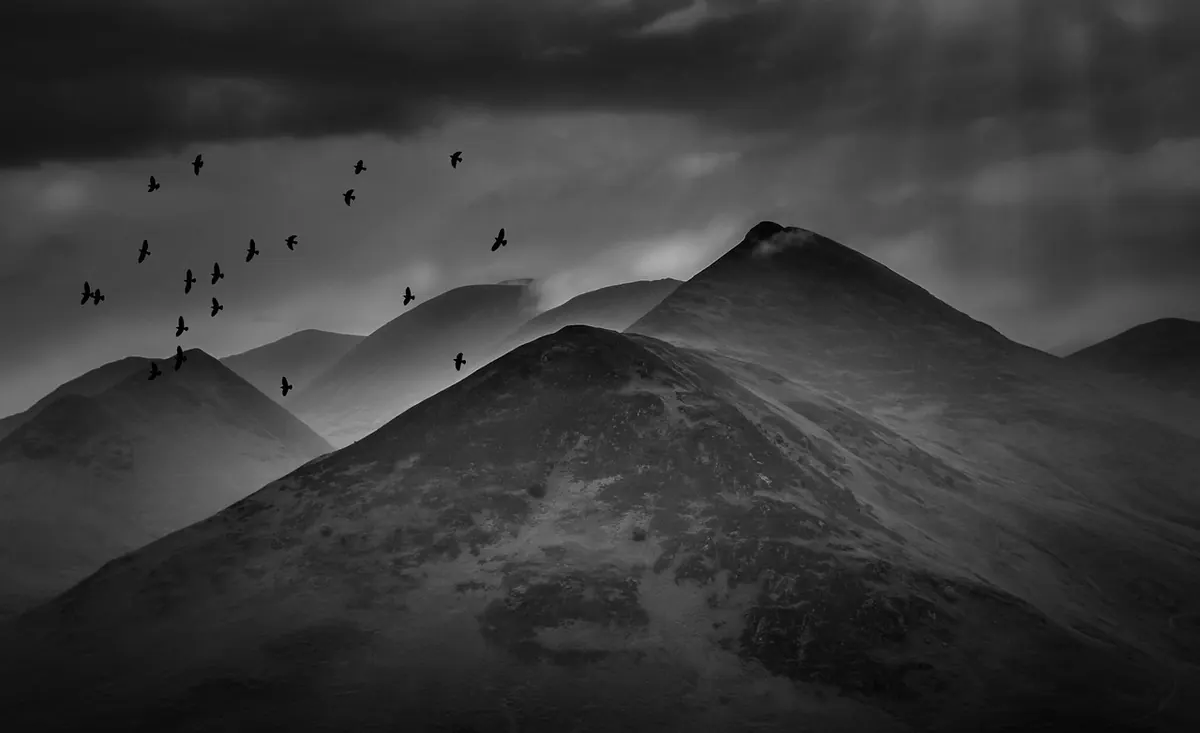
How to find, time and photograph Lake District fog — accessible viewpoints from Buttermere to Tarn Hows, exposure...
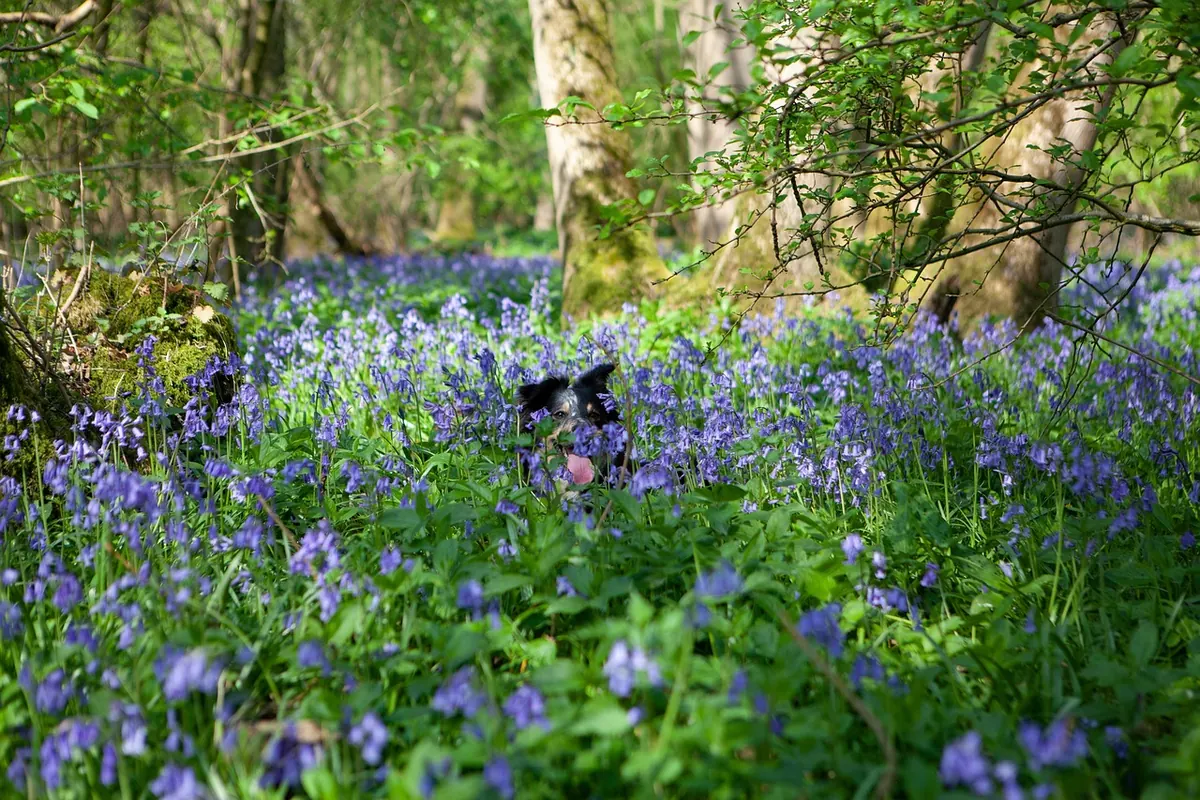
A practical guide to photographing Britain's spring wildflowers: reading the bluebell season, working with soft...
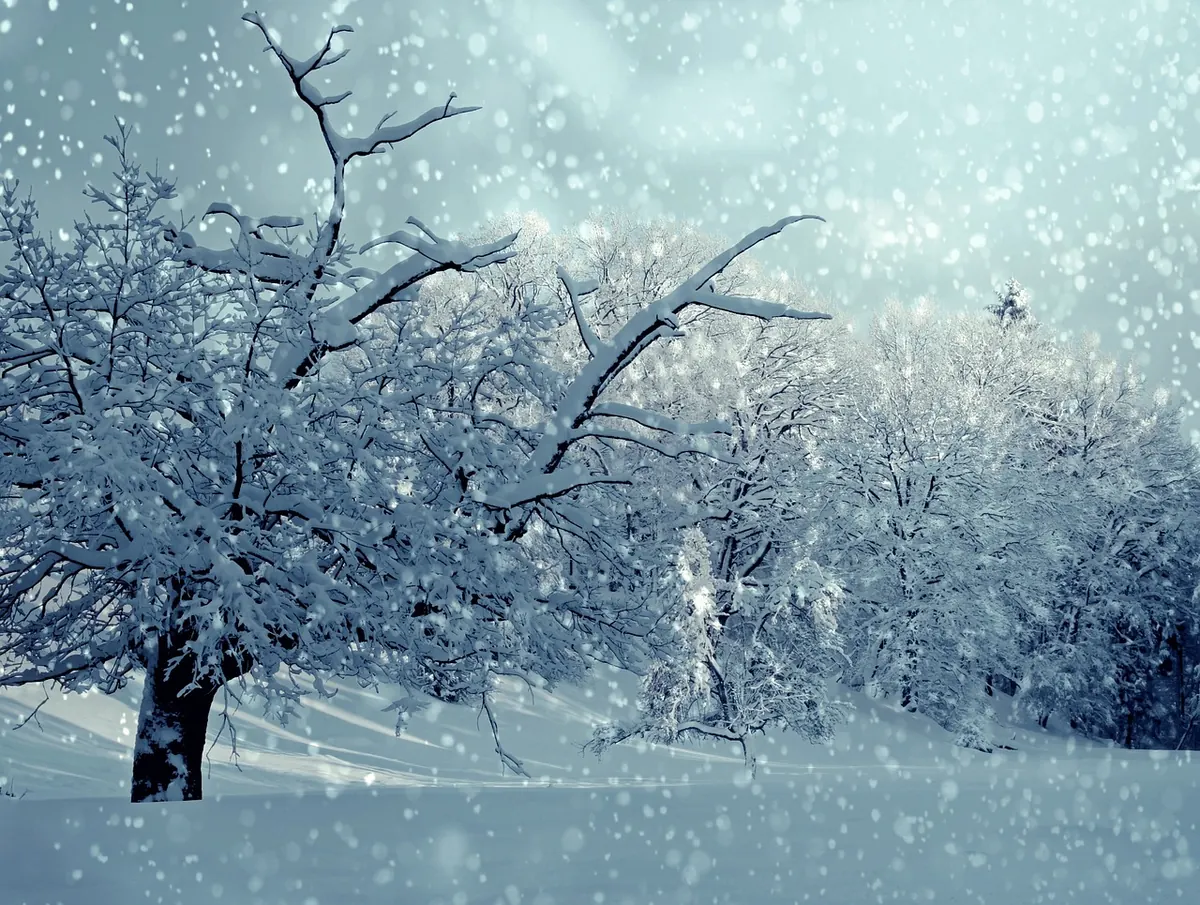
How to expose for snow and frost, protect your kit in the cold, and find strong compositions when winter light lasts...

Exploring misty landscapes and quiet natural places.
